

Prepaid Cards: A Smarter Way to Manage Your Child's Money

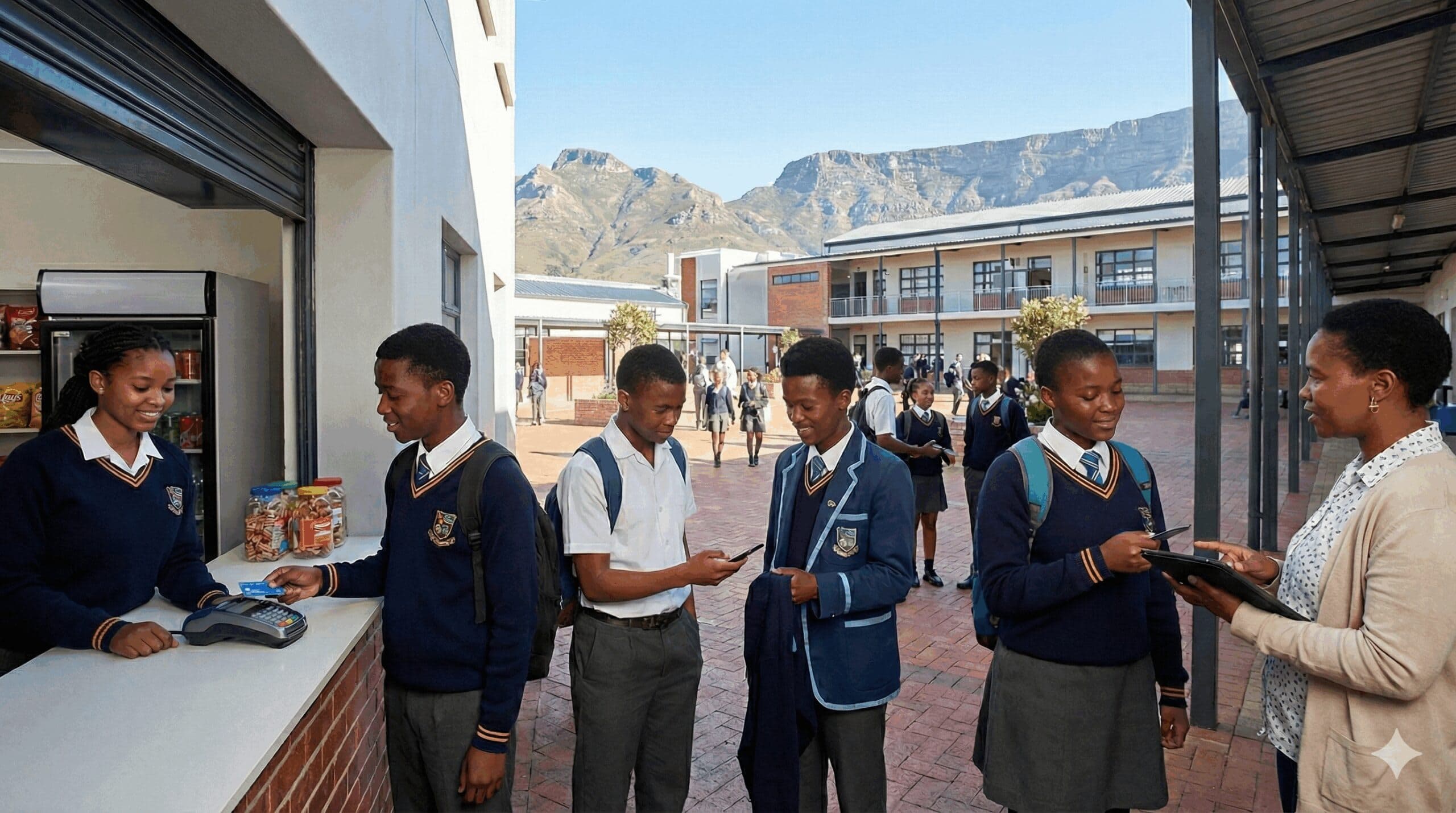
Financial responsibility among children has evolved significantly, and Kenyan banks are at the centre of that shift. Where children once saved in tin cans or waited for parents to give them cash on request, digital tools are now making it possible to put financial habits in place much earlier through prepaid cards.
This year’s Global Money Week, running from 16 to 22 March, is themed around smart money talks. It is a timely reminder that the financial habits children build now will shape how they manage money as adults. For Kenyan parents, prepaid cards offer a practical way to start that conversation.
How prepaid cards work A prepaid card is very seamless; a parent loads money onto the card, and the child spends only what is available. There is no credit or risk of debt accumulating without a parent’s knowledge.
For many Kenyan parents, the added convenience is that loading does not require a bank account and can be done directly through M-Pesa, making the process quick and accessible.
Students can use the card for everyday school expenses, from purchases at the school canteen to buying necessities. Since the card is cashless, it also reduces the risk of children carrying large amounts of money to school, lowering exposure to theft.
The prepaid card not only provides a platform to load money, but also aims to teach money management. When a child knows their card has a specific balance, they are prompted to make smart choices about how to spend it.
Parents can reinforce this by involving children in decisions about how the money on the card is allocated, making the tool a practical financial literacy exercise rather than simply a convenient payment method.
Banks such as Absa Bank Kenya encourage parents to adopt the student prepaid card and to have open conversations with their children about money management and responsibility. For families looking to take this further, the Absa Junior Savings Account gives children a structured way to save money they set aside, building the habit of separating spending from savings from an early age.
For families with children studying abroad, Absa Bank Kenya also offers a prepaid Multi-Currency Card designed specifically for that context, allowing parents to load funds that can be used across 14 different currencies without the complications of international transfers.
Access to a prepaid card alone is not enough. Research shows that a significant number of students lack formal financial education, meaning the tool is only effective if there is guidance behind it. Parents play an important role by monitoring their child’s spending through the prepaid card, creating opportunities to discuss why certain purchases were made, whether the funds were managed responsibly, and what could be done differently in the future.
The goal is to give children enough experience with real money decisions, in a low-risk environment, so that they are better prepared to handle finances independently when they become adults.
Prepaid cards will not replace financial education, but they are a meaningful starting point. For parents navigating how to introduce their children to money management in a digital age, they offer structure, visibility, and a practical way to make smart money talks part of everyday life.