

The Fintech Platform Redefining Support for Boda Boda Riders

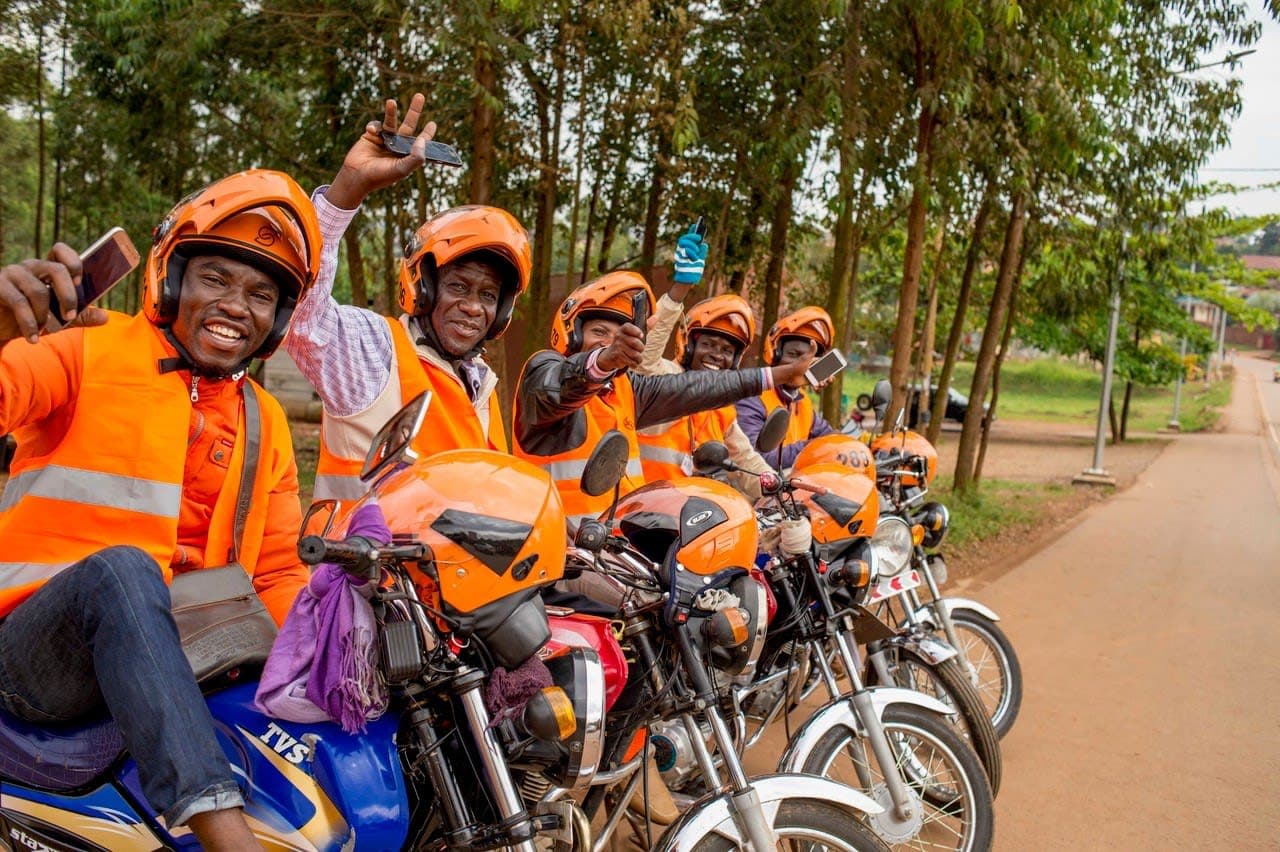
Every day, before the rest of the country wakes up, most boda boda riders across Kenya are already on the road. It is one of the country’s most visible sectors, yet also one of the least structured.
For many riders, income is unpredictable slow days mean fewer trips and less money, while an accident can completely derail a livelihood. This is the gap that Oye, a fintech platform built for boda boda riders, is working to address.
Founded in 2021 by Kevin Mutiso, Oye connects riders to essential services such as insurance, fuel credit, safety gear, and training delivered through the everyday locations they already frequent.
Mutiso explains that the idea for Oye emerged during a period of reflection following the collapse of a previous business during the COVID-19 pandemic.
“When my previous business failed during Covid, I realised the real problem was not just the pandemic. I was building without a clear purpose,” he says.
He began examining sectors that were large, underserved, and central to daily life. The boda boda industry quickly stood out.
“There are more than two million riders in Kenya, and they are central to the economy, but largely ignored by the financial system,” he notes.
At the same time, risks in the sector remain high. Data from the National Transport and Safety Authority (NTSA) show that motorcycles account for a significant share of road accidents, yet most riders have little or no insurance cover.
Before launching, the team spent time with riders, fuel station operators, and insurers to understand how the ecosystem truly works. They discovered that while financial products existed, few were designed around how riders actually earn and spend.
“Drivers faced high daily operating costs, very little insurance, and unstable income. A bad week or an accident could wipe them out,” Mutiso explains.
Oye was therefore designed to fit seamlessly into existing routines, using fuel stations as the primary entry point.
“Fuel is something every active driver buys almost every day. It is one place where you can consistently reach them without changing their behaviour,” he says.
Riders register at partner stations, and each time they fuel, the number of litres fuelled is recorded and converted into points. The service is also accessible via USSD, ensuring usability even without a smartphone.
A Different Approach to Insurance
One of Oye’s core offerings is a points-based insurance model. Each litre of fuel earns one point, and once riders reach 90 points, they unlock 90 days of personal accident cover.
“For example, 90 litres give you 90 points, and that qualifies you for cover without paying cash upfront,” Mutiso exlains. Insurance uptake among boda boda riders has historically been low partly due to cost and mistrust. By removing upfront payments and tying coverage to a routine activity, Oye is working to shift this perception. Over time, accumulated points can also be redeemed for benefits such as airtime and data.
Early adoption, however, was challenging.
“There is a strong perception that insurance does not pay, or that the process is complicated,” Mutiso says. Trust began to grow only after riders saw real policies issued and claims successfully processed. The company has since handled dozens of claims, helping riders and their families manage the financial impact of accidents.
Oye has also taken a firm stance with partners: “If an underwriter does not pay valid claims, they cannot be part of the Oye ecosystem,” Mutiso states.
Fuel Access, Safety, and Rider Development
Beyond insurance, Oye addresses another daily challenge: access to fuel when cash is limited. Through its Songa na Oye product, riders can access short-term fuel credit and repay later.
“If a rider cannot afford fuel, they cannot work and that is the sad reality,” Mutiso says.
By enabling riders to continue operating during low-cash periods, the product helps smooth income and reduce reliance on expensive short-term borrowing.
Oye’s work also extends to safety and rider development. In partnership with the NTSA, the company conducts road safety and responsible riding training sessions while distributing protective gear such as reflective jackets and helmets.
To date, more than 20,000 reflectors and 10,000 helmets have been issued.
The startup is also part of the Safaricom Spark Accelerator Cohort II, which provides mentorship, technical support, and scaling opportunities.
“Boda riders support millions of livelihoods, but they are often overlooked,” Mutiso says. “We want to change that.”
Scaling the Model Oye began with a small number of stations in Nairobi, testing the model in real- world conditions before expanding to additional locations and partners. A major milestone came through a partnership with TotalEnergies, adding more than 260 stations to the network.
“This allows us to reach drivers across more parts of the country and scale the model in a practical way,” Mutiso explains.
The company has also secured growth funding, including investment from Britam BetaLab.
Looking Ahead Oye’s long-term vision is to build a comprehensive financial platform for riders. “The goal is for drivers to access everything they need, fuel, credit, insurance, and savings all in one place,” Mutiso says.
The company is also exploring electric mobility solutions to help riders reduce operating costs over time.
For many boda boda riders, financial services have long been inaccessible or difficult to navigate. Oye is taking a different approach building around what already exists. A simple fuel stop becomes a gateway to insurance, credit, and a level of stability that has not always been available in the sector.